Buying a home in Travis Heights is an exciting opportunity. The neighborhood’s historic charm, tree-lined streets, and proximity to downtown Austin make it one of the city’s most sought-after communities. However, even in a market filled with beautiful and well-maintained homes, it’s crucial to protect your investment with a thorough home inspection before closing the deal.
If you’re a first-time buyer or simply new to the Austin market, understanding the home inspection process will help you make informed decisions, negotiate effectively, and ensure your new home is truly move-in ready.
Why a Home Inspection Matters
A home inspection is one of the most important steps in the homebuying process. It provides a professional assessment of the property’s condition, revealing both visible and hidden issues that may not be apparent during your initial walkthrough.
For Travis Heights buyers, where many homes range from charming early-20th-century bungalows to modern remodels, inspections are especially critical. Older homes can hide outdated wiring, foundation movement, or aging plumbing systems. Even newly constructed homes can have defects if the work was rushed or not properly supervised.
A detailed inspection helps you:
For Travis Heights buyers, where many homes range from charming early-20th-century bungalows to modern remodels, inspections are especially critical. Older homes can hide outdated wiring, foundation movement, or aging plumbing systems. Even newly constructed homes can have defects if the work was rushed or not properly supervised.
A detailed inspection helps you:
-
Identify costly repairs before closing
-
Understand the home’s true condition
-
Use findings to negotiate repairs or price adjustments
-
Gain peace of mind about your investment
What the Home Inspection Covers
A standard home inspection is a top-to-bottom review of a property’s major systems and structural components. While the exact details can vary depending on the inspector, most reports cover the following areas:
1. Roof and Exterior: Inspectors examine the roof for missing shingles, leaks, flashing problems, and drainage issues. They’ll also assess gutters, siding, windows, doors, and visible foundation areas for damage or wear.
2. Structural Components: This includes the foundation, walls, floors, ceilings, and framing. In older Travis Heights homes, inspectors often look for signs of settling, uneven floors, or foundation cracks that may indicate structural movement.
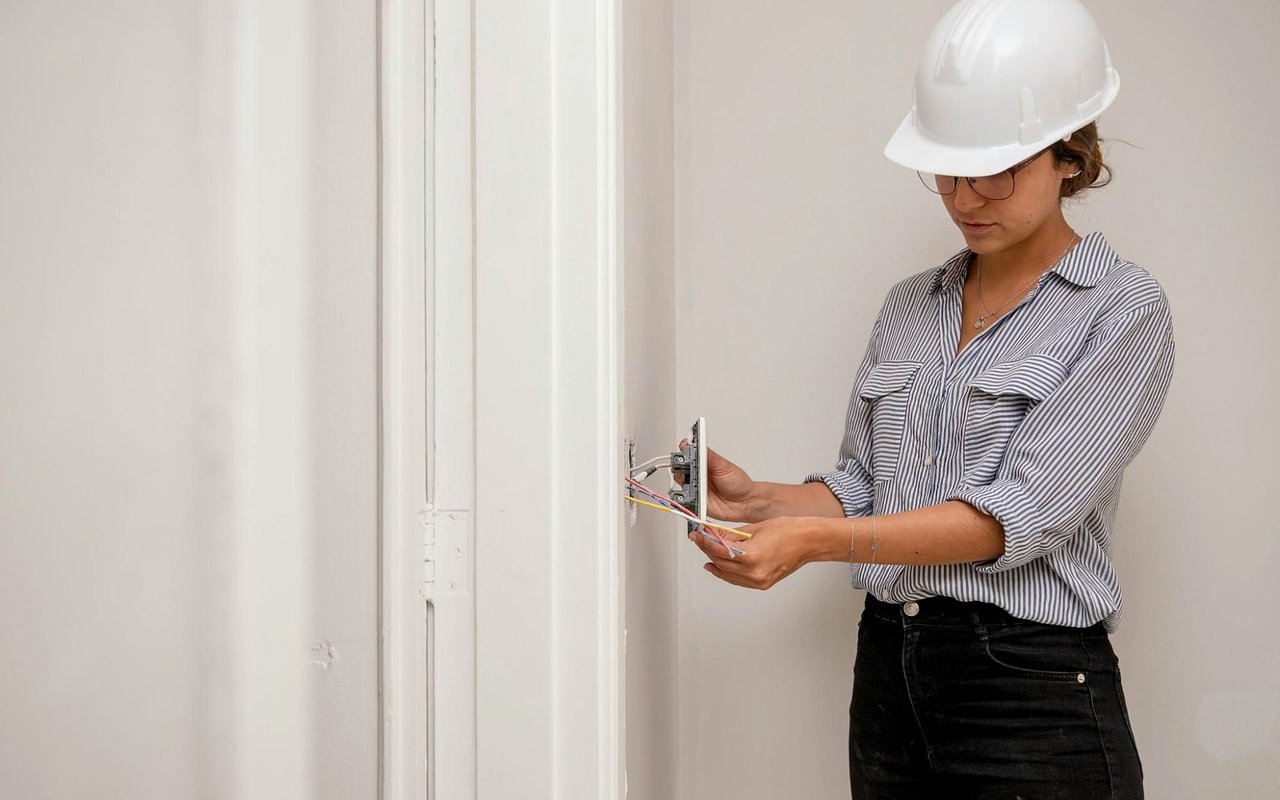
3. Electrical System: The inspector checks outlets, switches, electrical panels, and visible wiring to ensure everything meets current safety standards. Older homes may have outdated or unsafe wiring that needs upgrading.
4. Plumbing: Plumbing inspections involve looking for leaks, testing water pressure, and checking the condition of visible pipes. Many Austin homes have older galvanized pipes or sewer systems that can cause issues if not replaced.
5. Heating and Cooling Systems: Your inspector will test the home’s HVAC systems to make sure they function properly and assess their age, efficiency, and maintenance history.
6. Interior Elements: This includes doors, windows, stairs, floors, and walls. The inspector will note any cosmetic or functional concerns such as sticking doors, water stains, or cracks that could signal larger issues.
7. Appliances and Fixtures: While not all inspectors include appliances, many test built-in systems such as ovens, dishwashers, and smoke detectors to confirm they’re in working order.
8. Attic, Insulation, and Ventilation: Proper insulation and ventilation are key for energy efficiency. Inspectors look for adequate airflow, insulation quality, and potential signs of moisture intrusion or pest activity.
1. Roof and Exterior: Inspectors examine the roof for missing shingles, leaks, flashing problems, and drainage issues. They’ll also assess gutters, siding, windows, doors, and visible foundation areas for damage or wear.
2. Structural Components: This includes the foundation, walls, floors, ceilings, and framing. In older Travis Heights homes, inspectors often look for signs of settling, uneven floors, or foundation cracks that may indicate structural movement.
3. Electrical System: The inspector checks outlets, switches, electrical panels, and visible wiring to ensure everything meets current safety standards. Older homes may have outdated or unsafe wiring that needs upgrading.
4. Plumbing: Plumbing inspections involve looking for leaks, testing water pressure, and checking the condition of visible pipes. Many Austin homes have older galvanized pipes or sewer systems that can cause issues if not replaced.
5. Heating and Cooling Systems: Your inspector will test the home’s HVAC systems to make sure they function properly and assess their age, efficiency, and maintenance history.
6. Interior Elements: This includes doors, windows, stairs, floors, and walls. The inspector will note any cosmetic or functional concerns such as sticking doors, water stains, or cracks that could signal larger issues.
7. Appliances and Fixtures: While not all inspectors include appliances, many test built-in systems such as ovens, dishwashers, and smoke detectors to confirm they’re in working order.
8. Attic, Insulation, and Ventilation: Proper insulation and ventilation are key for energy efficiency. Inspectors look for adequate airflow, insulation quality, and potential signs of moisture intrusion or pest activity.
Choosing the Right Home Inspector
Not all inspectors are created equal. Selecting a qualified, licensed, and experienced professional can make a significant difference in the accuracy and usefulness of your report.
When choosing a home inspector in Austin, consider these factors:
When choosing a home inspector in Austin, consider these factors:
-
Licensing and credentials: In Texas, home inspectors must be licensed by the Texas Real Estate Commission (TREC).
-
Experience in Travis Heights or similar neighborhoods: Inspectors familiar with the area understand the types of homes, common structural materials, and typical age-related issues.
-
Sample reports: Ask to review a sample inspection report to see how detailed and easy to understand it is.
-
Reviews and recommendations: Your real estate agent, such as The Mike Seder Group, can connect you with trusted inspectors known for their thoroughness and professionalism.
What to Expect on Inspection Day
The inspection usually takes two to three hours, depending on the home’s size and condition. It’s highly recommended that you attend the inspection in person. This allows you to follow the inspector through the process, ask questions, and see potential issues firsthand.
Your inspector will take notes, photos, and measurements throughout the property. After the inspection, they’ll provide a written report that includes:
Your inspector will take notes, photos, and measurements throughout the property. After the inspection, they’ll provide a written report that includes:
-
Descriptions of observed conditions
-
Photos of problem areas
-
An overview of which repairs or replacements may be urgent
-
Recommendations for specialists if further evaluation is needed (such as foundation or HVAC experts)
Understanding Your Home Inspection Report
Once you receive your report, take time to read it carefully. Don’t panic if it’s long—most homes, even new ones, will have at least a few minor issues. Focus on the major items that could affect safety, structural integrity, or cost of ownership.
Common findings in Travis Heights homes might include:
Common findings in Travis Heights homes might include:
-
Foundation cracks from Austin’s expansive clay soil
-
Outdated electrical systems
-
Minor roof leaks or aging shingles
-
Drainage concerns that can cause water pooling
-
HVAC units nearing the end of their lifespan
Your real estate agent can help you interpret the report and decide how to proceed.
Using the Inspection to Negotiate
The inspection report isn’t just for your peace of mind—it’s also a powerful negotiation tool. Based on the findings, you may be able to request that the seller:
-
Make certain repairs before closing
-
Provide a credit at closing to cover repair costs
-
Lower the purchase price to reflect the property’s condition
In competitive markets, some sellers might be reluctant to make large concessions. That’s where having an experienced Austin agent like The Mike Seder Group can make all the difference. They’ll help you strategize your requests to maintain leverage without jeopardizing your offer.
Additional Inspections to Consider
Depending on the age, location, and condition of the home, you may want to schedule specialized inspections.
These can include:
These can include:
-
Foundation inspection: Especially important in areas with expansive soils like Austin.
-
Termite or pest inspection: To check for wood-destroying insects common in older homes.
-
Sewer line inspection: Using a camera to detect blockages or deterioration.
-
Pool inspection: If the home has a pool, a specialist can evaluate pumps, filters, and safety systems.
-
Environmental testing: For issues like radon, lead paint, or mold.
Your inspector or agent can recommend which of these are appropriate for your property.
After the Inspection: What’s Next
Once negotiations are complete and repairs are agreed upon, you’ll move closer to closing. If repairs are made, you may request receipts or schedule a reinspection to confirm the work was completed properly.
Keep a copy of your inspection report for future reference—it can serve as a roadmap for ongoing maintenance or future upgrades.
Keep a copy of your inspection report for future reference—it can serve as a roadmap for ongoing maintenance or future upgrades.
Partner with Austin Experts Who Know Travis Heights
Buying a home in Travis Heights is more than a transaction—it’s an investment in one of Austin’s most vibrant and historic communities. A thorough home inspection is your safeguard against unexpected surprises and ensures you step into your new home with confidence.
Working with a trusted local real estate team like The Mike Seder Group gives you access to expert guidance throughout the process. From selecting the right inspector to understanding your report and negotiating smartly, their knowledge of the Austin market ensures you’re protected at every step.
Ready to find your perfect Travis Heights home? Visit The Mike Seder Group today and let their experienced Austin real estate professionals help you navigate every detail of your homebuying journey. With their guidance, you’ll move into your new home knowing it’s not just beautiful—but built on a solid foundation.
Working with a trusted local real estate team like The Mike Seder Group gives you access to expert guidance throughout the process. From selecting the right inspector to understanding your report and negotiating smartly, their knowledge of the Austin market ensures you’re protected at every step.
Ready to find your perfect Travis Heights home? Visit The Mike Seder Group today and let their experienced Austin real estate professionals help you navigate every detail of your homebuying journey. With their guidance, you’ll move into your new home knowing it’s not just beautiful—but built on a solid foundation.